









TVAC
TVAC Systems Built for Extreme Conditions
TVAC – Thermal Vacuum Chambers
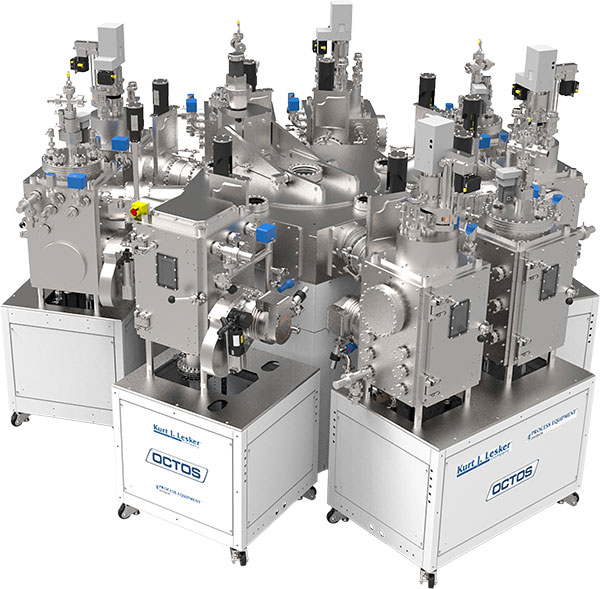
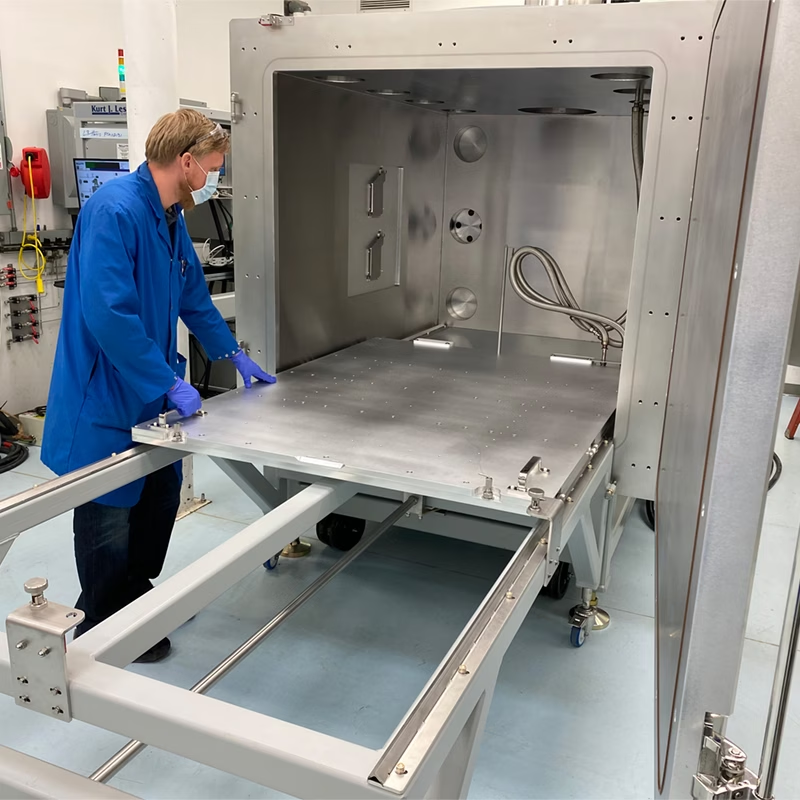
The Kurt J. Lesker Company (KJLC) is a global pioneer in vacuum technology, offering cutting-edge Thermal Vacuum Chamber (TVAC) solutions designed to simulate the harsh environments of outer space. With over 70 years of expertise in vacuum science, and more than 2,000 systems deployed worldwide, KJLC provides scalable TVAC platforms tailored for small-scale satellites, mid-range spacecraft, and large-scale space hardware. Our TVAC systems simulate the deep vacuum and extreme thermal conditions of space to ensure reliability, performance, and mission success. Known for engineering precision, system reliability, and customer-centric service, KJLC TVAC chambers integrate ultra-high vacuum environments, thermal cycling, solar simulation, and real-time data acquisition for qualification, validation, and life cycle testing of aerospace components.
Automate
Your Lab.
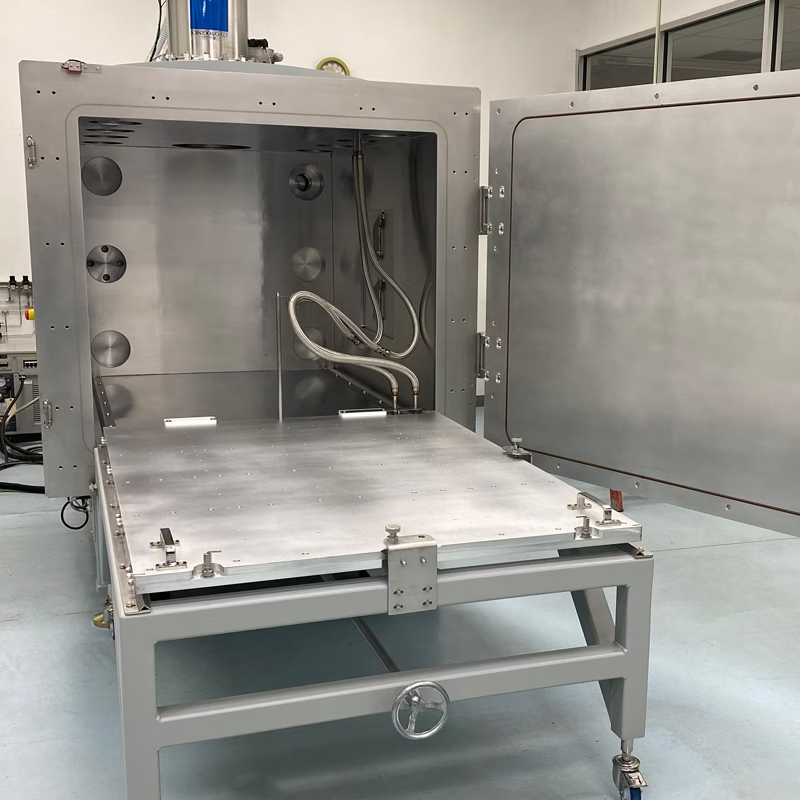
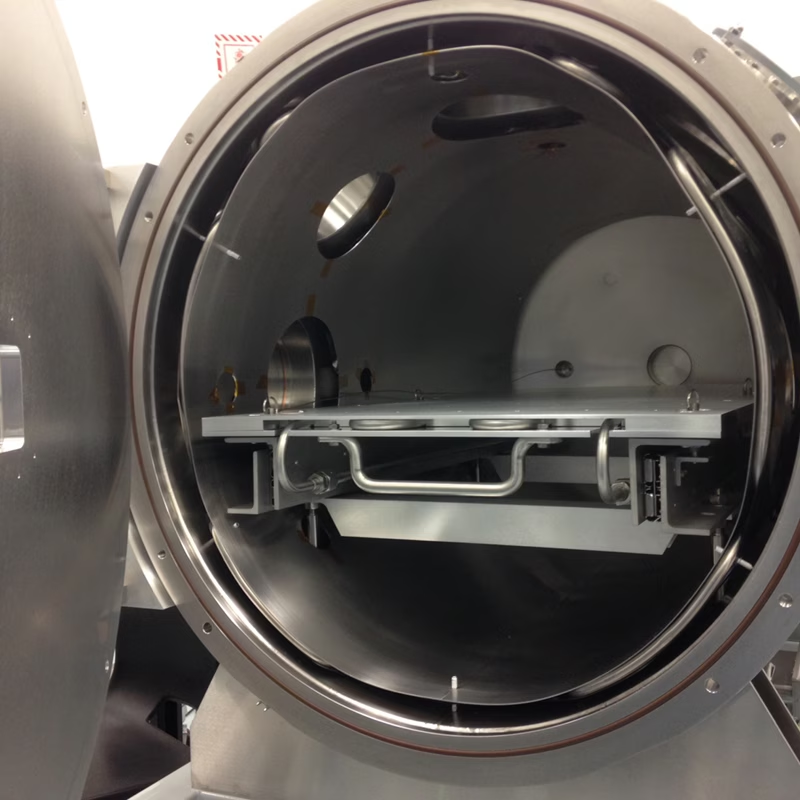
Scalable Chamber Sizes
| Satellite Scale | Dimensions (Approximate) | Use Cases | Pressure Ranges |
|---|---|---|---|
| Small-Scale |
Box Chamber, 304 SS, 19.25" (488.95mm) High x 20.5" (520.7mm) Deep x 24" (609.6mm) Wide, Internal Dimensions |
CubeSats, Avionics, Modular Payloads | From 10-6 to 10-8 |
| Mid-Range |
Box chamber, 304 SS, 54" (1371.6mm) High x 48" (1219.2mm) Deep x 72" (1828.8mm) Wide, Internal Dimensions |
Subsystems, Deployable Assets, Test Platforms | From 10-6 to 10-7 |
| Large-Scale |
Cylindrical Chamber, 304 SS, 108" (2743.2mm) Round, External Dimensions, Length Independent |
Full Satellite Assemblies, Spacecraft Bus | From 10-6 to 10-7 |
- Programmable cooled breadboards provide temperature control from -50°C to +200°C. LN2 cooled breadboards to -100°C, and resistive elements to +250°C.
- Powered by eKLipse control platform for recipe-based automation and full signal logging.
- Custom configurations available to meet mission-specific needs.
FEATURES
High-Vacuum Simulation
- Achieve pressure ranges from 10-6 to 10-8 Torr, replicating the vacuum of space
- Ideal for outgassing, thermal stress, and life-cycle durability testing
- Over 2,000 KJLC turn-key systems operate globally with robust vacuum control
Vacuum systems capable of replicating near-space conditions are critical for evaluating materials and components under extreme environments. KJLC systems are designed to achieve ultra-high vacuum pressure ranges from 10-6 to 10-8 Torr, supporting testing protocols such as outgassing characterization, thermal stress assessment, and life-cycle durability studies. With over 2,000 turn-key systems currently in operation worldwide, KJLC platforms are used by research institutions and engineering teams seeking reliable control and consistency. These systems are applied in contexts ranging from aerospace component verification to satellite hardware qualification, where realistic vacuum simulation is necessary for accurate performance evaluation.
Precision Thermal Cycling
- Programmable cooled breadboards provide temperature control from -50°C to +200°C. LN2 cooled breadboards to -100°C, and resistive elements to +250°C
- Supports full-range testing for electronics, materials, and mechanical assemblies
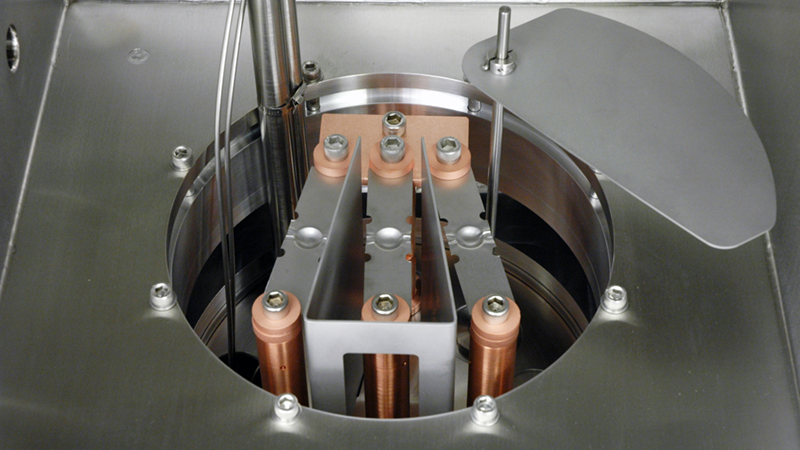
- Custom-designed shrouds and breadboards offer uniform thermal environments
From cryogenic conditions to elevated heat levels, precise thermal control is essential for robust testing across engineering and scientific disciplines. KJLC's programmable cooled breadboards offer adjustable temperature environments ranging from -50°C to +200°C, supporting full-range evaluations for electronics, materials, and mechanical components. To ensure consistent and reproducible results, custom thermal interfaces, including shrouds, and breadboards are designed to deliver uniform heating conditions. These capabilities facilitate testing under extreme conditions to better understand durability, performance, and behavior.
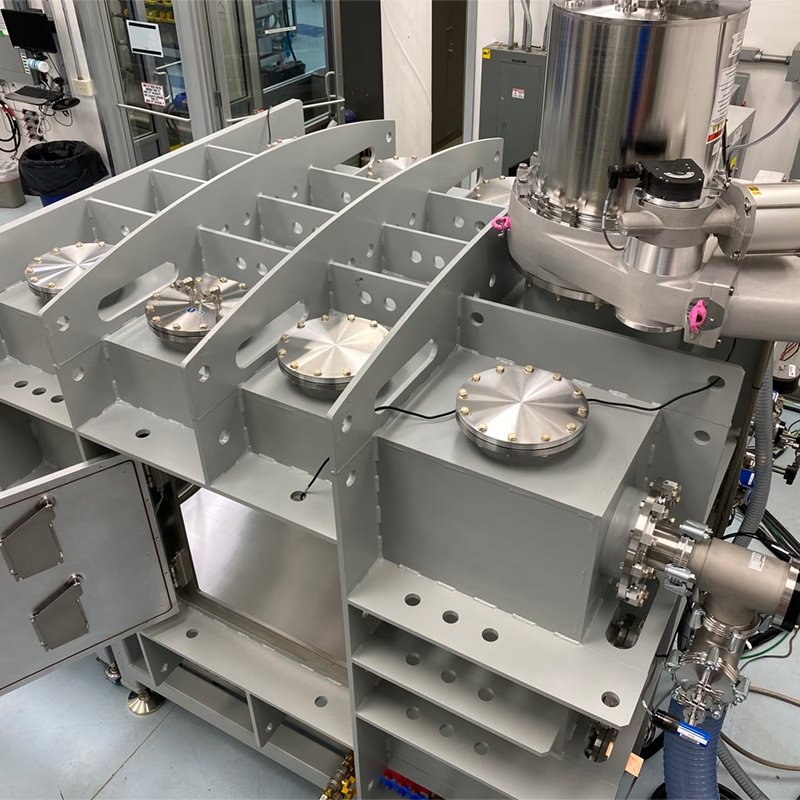
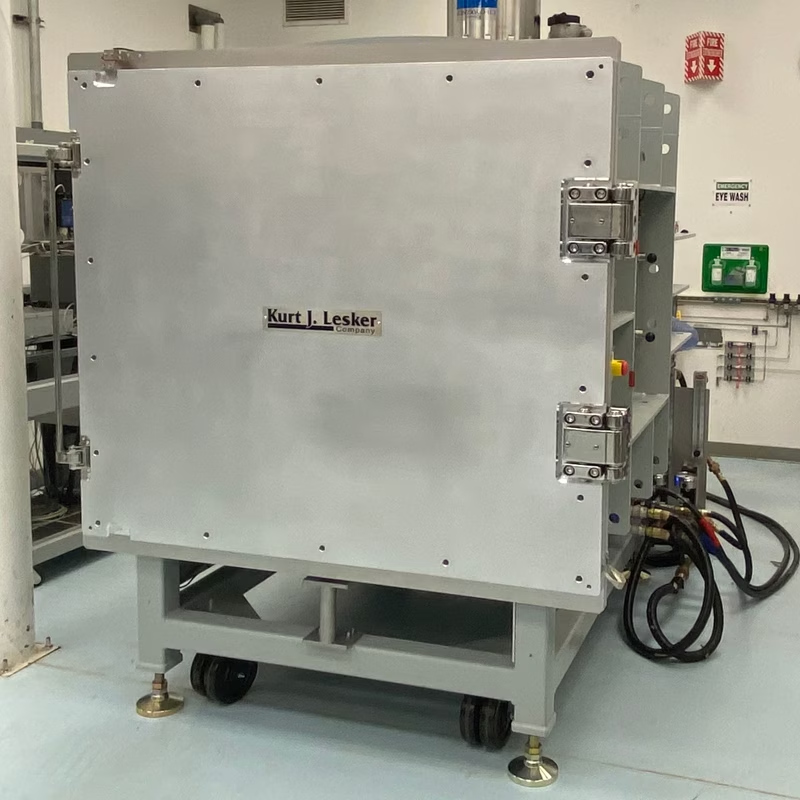
Optional Radiation & Solar Simulation
- Integrated infrared lamps available
- Over 70 thin film systems built and tested annually with radiation simulation capabilities
- Allows validation of thermal shielding and solar impact performance
In orbital research and materials testing, accurately replicating solar exposure is essential for evaluating long-term performance and resilience. Thin-film systems equipped with integrated infrared lamps and solar simulators enable controlled radiation simulation that mimics the intensity and spectrum of solar conditions encountered in space. At KJLC, over 70 such systems are built and tested annually, supporting studies on thermal shielding effectiveness and the impact of solar radiation on advanced materials. These platforms provide researchers with the tools needed to assess solar degradation, thermal management strategies, and the reliability of components exposed to sustained orbital environments.
Integrated Instrumentation & Control
- Built-in thermocouples, feedthroughs, and data acquisition systems
- Powered by eKLipse control platform for recipe-based automation and full signal logging
- Supports multi-threaded recipe execution, robust PLC redundancy, and customizable test protocols
In research and experimental setups requiring precise process control, real-time monitoring plays a key role in ensuring data integrity and repeatability. Systems featuring built-in thermocouples, electrical feedthroughs, and integrated data acquisition frameworks allow for continuous observation of thermal, electrical, and environmental parameters throughout test cycles. Utilizing platforms like eKLipse, researchers gain access to recipe-driven automation with comprehensive signal logging capabilities that streamline multi-phase testing. The architecture supports multi-threaded execution, PLC redundancy for enhanced reliability, and the flexibility to tailor test protocols to specific research requirements, facilitating robust validation across complex experimental scenarios.
ENGINEERING EXPERTISE
System Design
- Over 41 years of experience in vacuum and thin film deposition systems
- Designs include multi-chamber tools, robotic transfer systems, and UHV platforms
Mechanical & Electrical
- Engineering of manifolds, shrouds, feedthroughs, and cooling breadboards
- Design of power panels, I/O systems, and vacuum modeling tools
Software Integration
- Recipe-controlled automation
- Real-time vacuum, thermal, and manipulation management
- Modular software adaptable to diverse customer requirements
Engineering expertise in vacuum and thin film deposition technologies is grounded in decades of applied design and integration. With over 41 years of experience, KJLC engineers develop complex system architectures that include multi-chamber configurations, robotic transfer mechanisms, and ultra-high vacuum (UHV) platforms, supporting both research and production environments across a range of industries. Mechanical and electrical capabilities span the development of manifolds, shrouds, electrical feedthroughs, and temperature-controlled breadboards, along with power distribution systems, I/O interface design, and vacuum modeling tools. Software integration plays a central role, featuring recipe-based automation, real-time monitoring of vacuum and thermal parameters, and modular control interfaces tailored to diverse research and process requirements. This multidisciplinary approach enables precise, scalable solutions for experimental and industrial vacuum applications.
Why KJLC?
Kurt J. Lesker Company's global support infrastructure plays an essential role in enabling successful implementation and operation of vacuum and thin film deposition systems in research and industrial settings. Installation and system start-up are carried out by experienced application engineers, providing on-site expertise tailored to each facility's needs. Ongoing support is delivered through live customer service without automated call centers alongside structured educational programs offered through Lesker University. With offices in Pittsburgh, Shanghai, and Hastings, we ensure regional accessibility and timely service responses. Backed by decades of precision engineering and a commitment to technical excellence, KJLC helps researchers and process engineers confidently meet space-grade performance requirements across mission-critical applications.